Our work
Boilers, leaks, bathrooms — and the pipework behind them.
Straight answer: Guildford Plumbing and Heating Ltd's Google profile carries no photographs at the moment, so nothing on this page is presented as a photograph of the firm's own work. These are placeholder images standing in for the kinds of job described, and every caption says what the work involves rather than claiming credit for the picture. The camera roll on Matt and Phil's phones — the loft combi install, the bathrooms, the commercial kitchen, the pipework a customer called a work of art — belongs here instead, and can be dropped straight in.
- Boiler installation
- Servicing
- Pipework
- Heating & powerflushing
- Bathrooms
- Showers & wet rooms
- Kitchens & blockages
- Leak detection
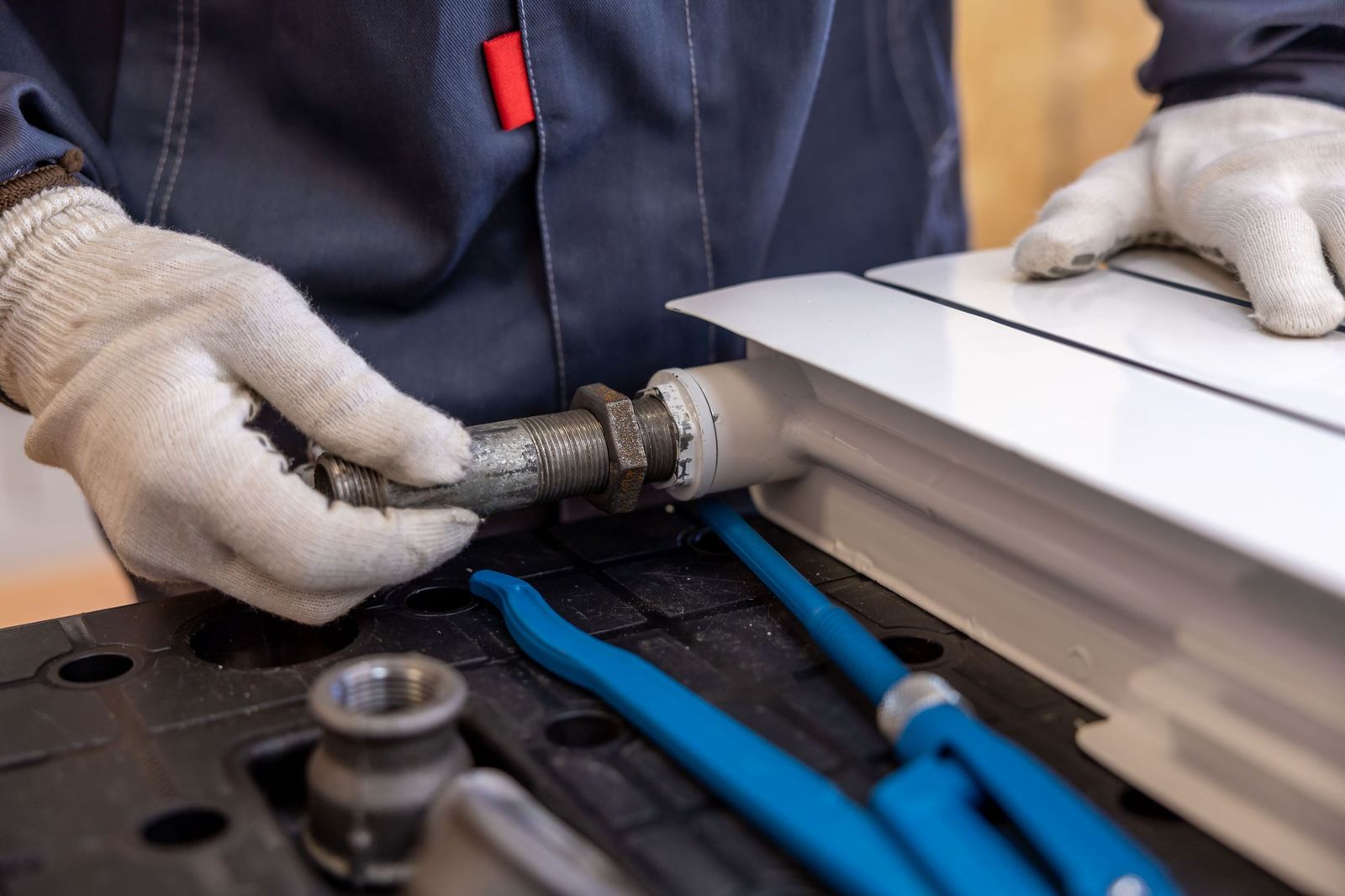
Boiler replacement: the appliance is the easy part. Gas supply, flue route, condensate, system cleanliness and the controls are what decide whether a new boiler behaves like a new boiler in its third winter.
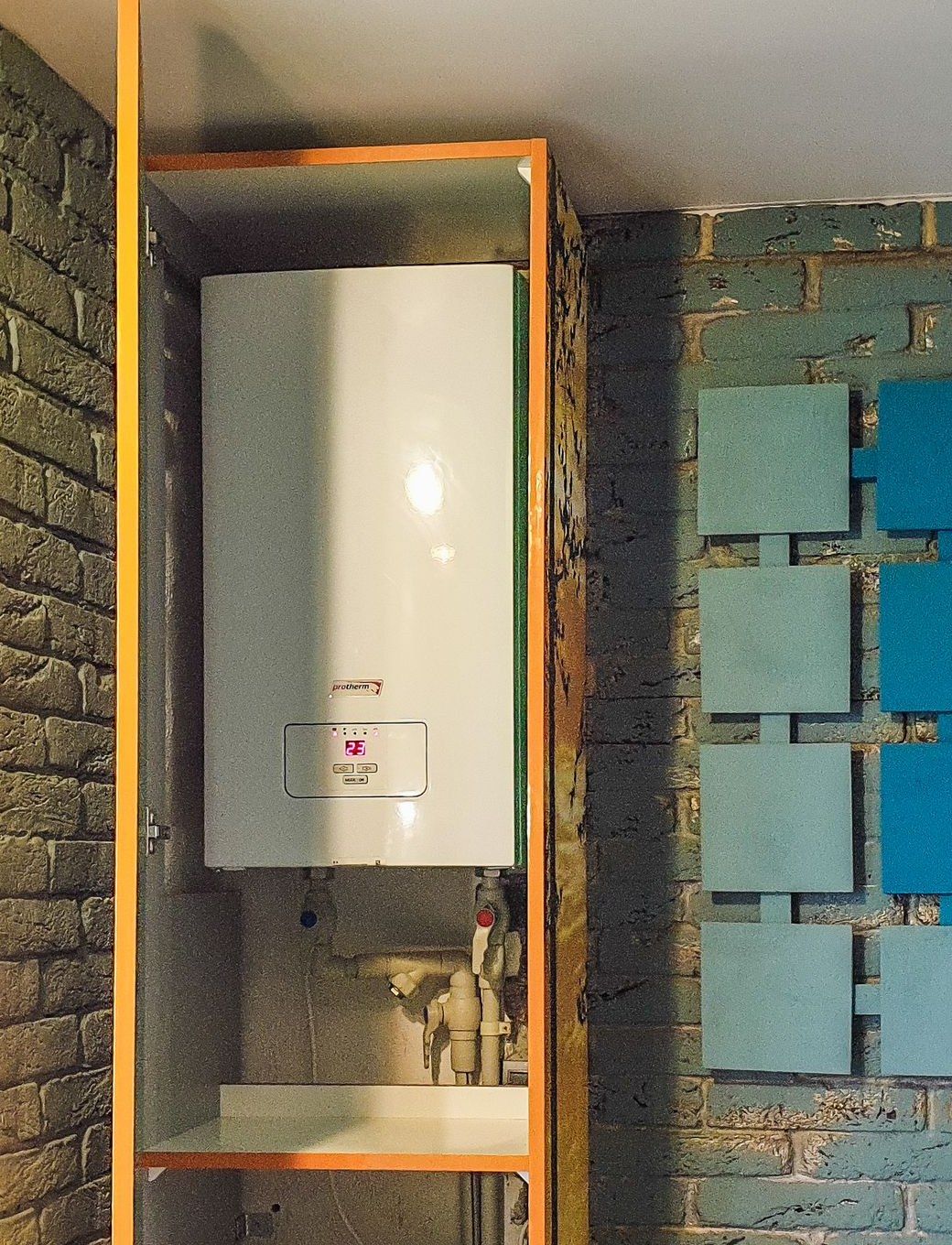
Annual servicing and landlord gas safety certificates: safety inspection, combustion check, seals, pressures and controls — and the paperwork that keeps a manufacturer's warranty valid.
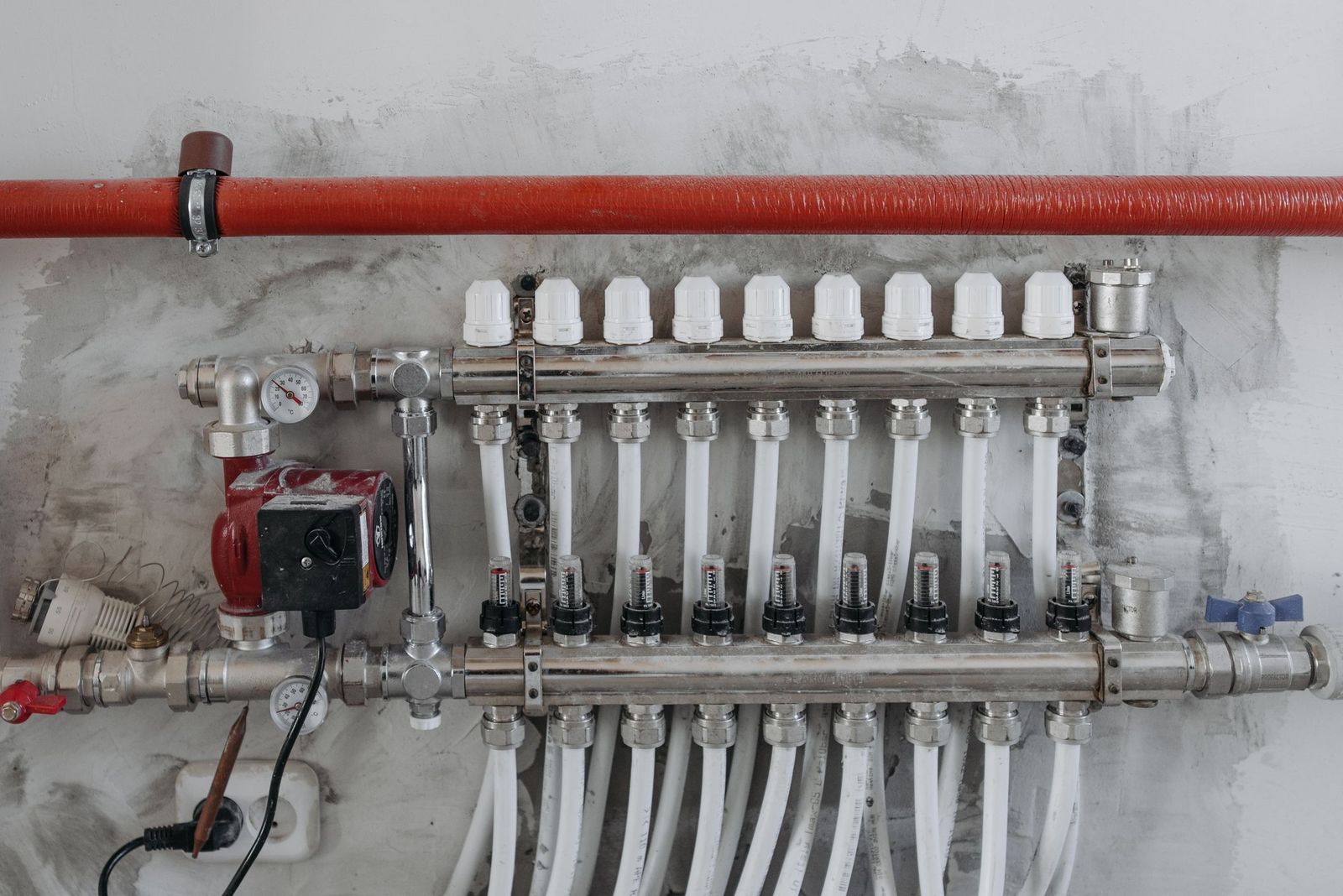
Pipework is where a plumbing firm's habits show: runs that are straight and supported, joints that can be reached again, isolation fitted while the floor is already up.
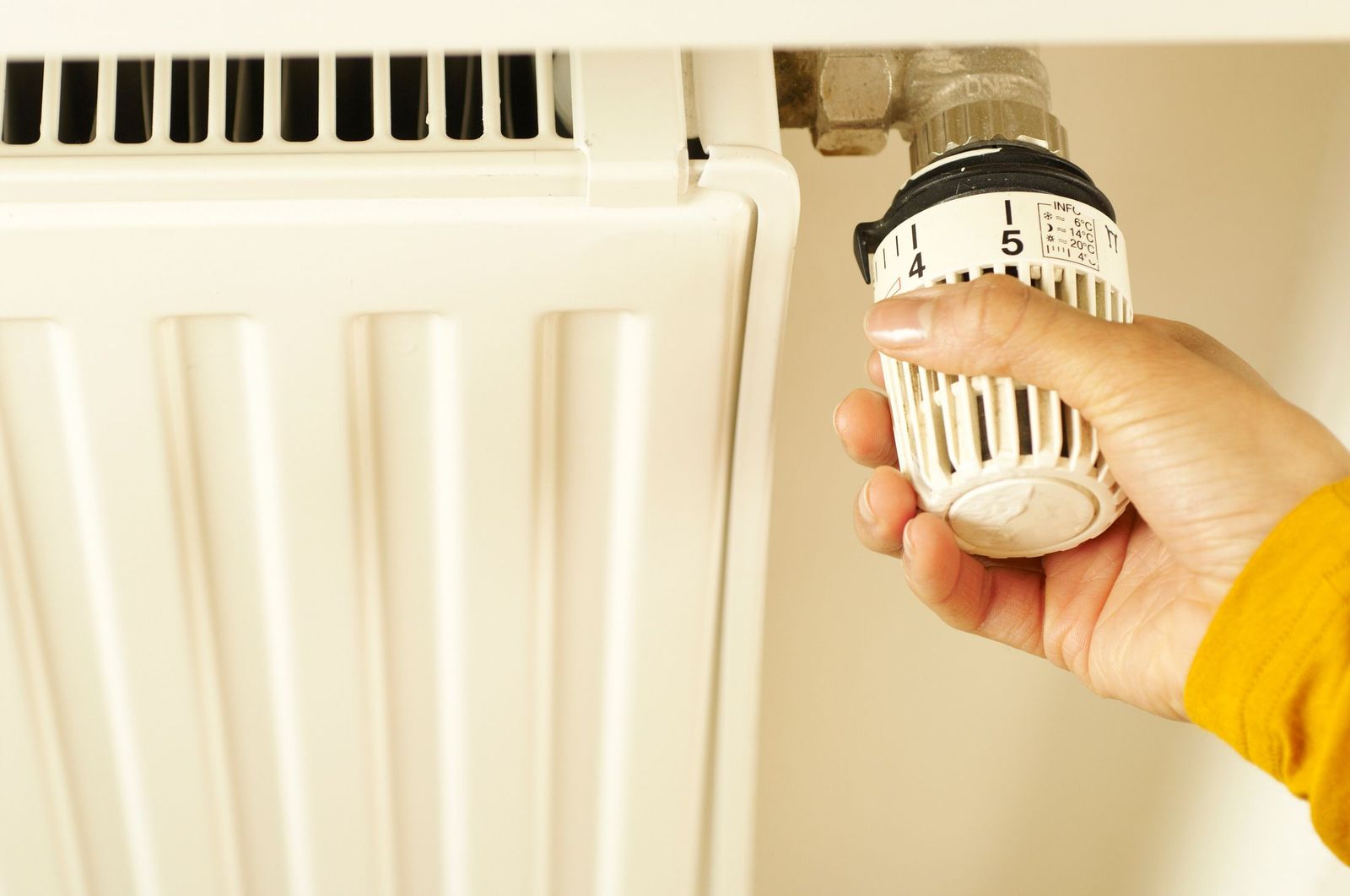
Radiators, valves and balancing — plus the powerflush when the reason a radiator is cold at the bottom turns out to be a system full of sludge rather than an airlock.
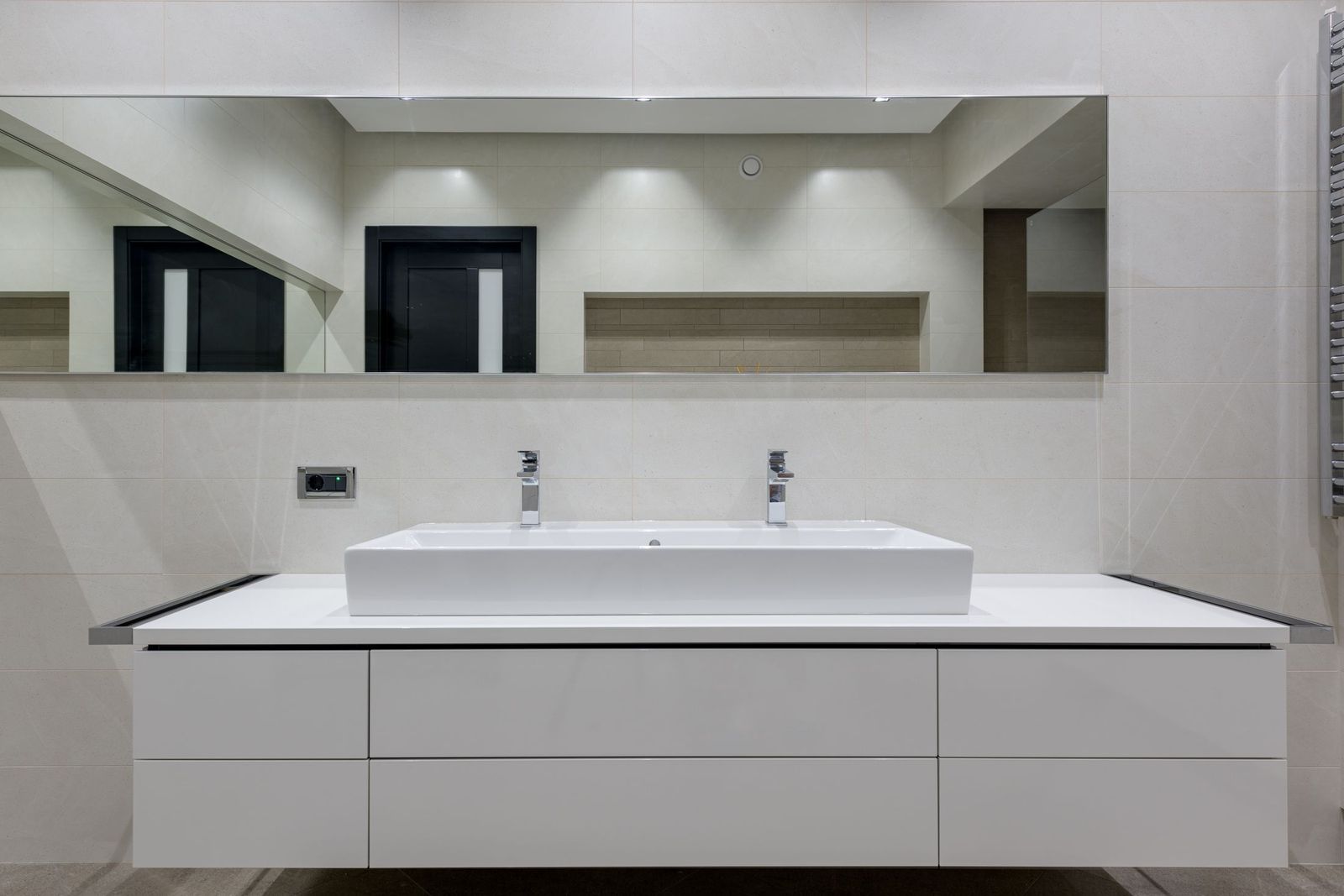
Bathroom refurbishment: pressure, waste falls and the position of the soil pipe decide the layout long before anybody chooses tiles.
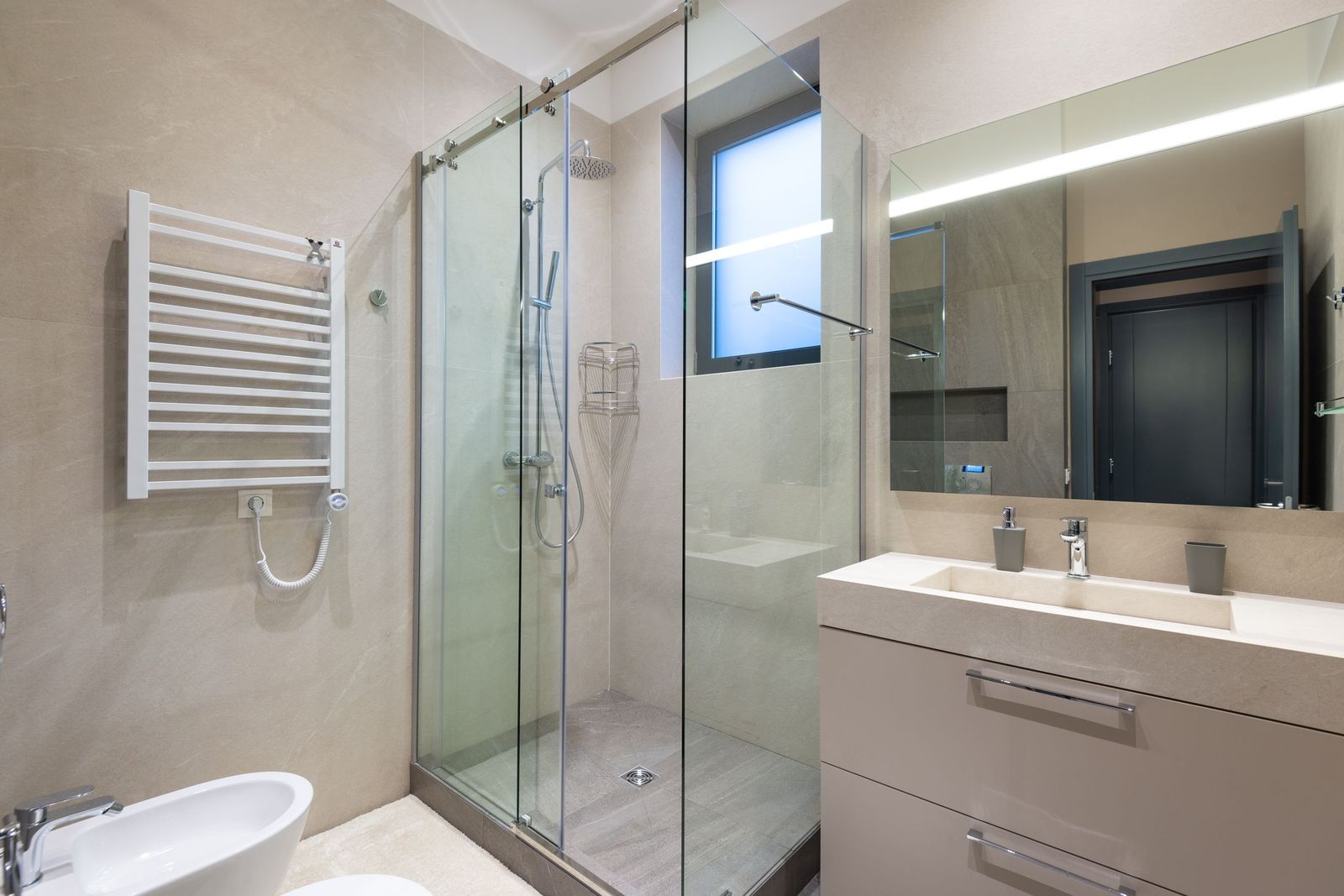
Showers and wet rooms, matched to the pressure the house can actually deliver — which is the difference between a rainfall head and an expensive dribble.
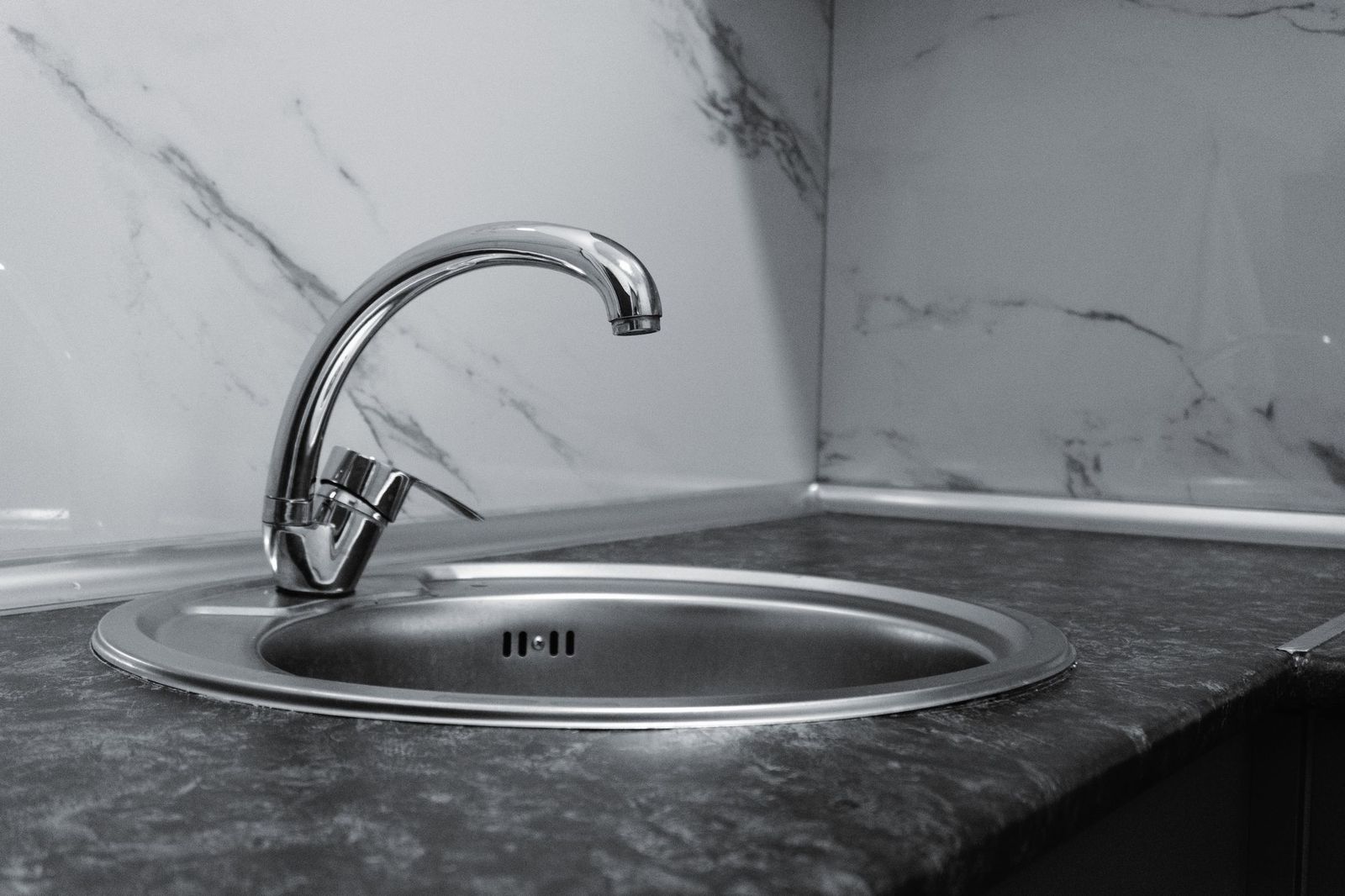
Kitchen plumbing, appliance feeds and the blocked waste that turns out to have a collapsed trap behind it rather than the usual suspects.
Leak detection: trace it first, lift one small area of floor second. If the leak is not found, there is nothing to pay.
How the common jobs go
Four jobs, explained rather than testified to.
These are descriptions of the work rather than testimonials: what the problem usually turns out to be, and what gets done about it. Where a customer's own words appear, they are quoted from the firm's Google reviews and credited.
The old boiler that came out and went up into the loft
The situation — Swapping a traditional system boiler, cylinder and tanks for a combi is the most common heating job in a Guildford house, and the most commonly botched. Moving it into the loft frees up an airing cupboard, but it also means new gas and condensate runs, a flue where there was never one, frost protection for the pipework up there, and enough head of pressure for every outlet in the house.
What gets done — Everything is looked at before a price is given: gas supply size, flue route, where the pipework can honestly be run, and whether the radiators and the incoming main can deliver what a combi asks of them. Then the install is done in one go, the system is cleaned rather than filled straight over old sludge, the controls are set up with the householder, and the boards and carpets go back down as they were found.
“Everything runs perfectly, and the pipe work is a work of art.”Tom Webb · Google review
The leak that only shows up as a damp patch
The situation — A dropping boiler pressure, a warm patch on a floor, a bill that has doubled, or a stain on a ceiling that moves. None of them tell you where the water is coming from, and the expensive mistake is to start lifting floors on a hunch — that is how a small repair turns into a room's worth of reinstatement.
What gets done — Detection first, demolition second. The system is isolated section by section to narrow the search, the suspected run is traced with the right equipment rather than by guesswork, and only then does anything come up. The firm's standing promise applies: if the leak is not found, there is nothing to pay. Once it is located you get the repair, the making good, and a clear description of what happened for the insurer.
Radiators hot at the top, stone cold at the bottom
The situation — Black sludge — magnetite from corrosion inside the system — settles in the bottom of radiators and in the lowest pipe runs. The house takes longer to warm up, one end never really gets there, the boiler bangs or kettles, and the bills creep up. Left alone it eventually takes the heat exchanger and the pump with it, which is a far more expensive morning.
What gets done — First the diagnosis, because not every cold radiator is sludge: a system that needs balancing, an airlock, a seized thermostatic valve or a failing pump all look similar from the doorway. If it is sludge, a powerflush pumps the system through at high flow and low pressure with a cleaner, radiator by radiator, until it runs clear, then inhibitor goes in to stop it starting over. Cleaner radiators, better circulation, quieter heating, lower bills.
The certificate a letting agent asks for a fortnight too late
The situation — A landlord gas safety check is a legal requirement every twelve months for rented property in England, it covers every gas appliance and flue in the property, and the tenant has to be given a copy. The usual crisis is not the check itself — it is a tenancy starting on Friday and nobody having booked it.
What gets done — The check is carried out by a Gas Safe registered engineer: every appliance tested, gas tightness and pressures, flue and ventilation, and the safety devices actually proved rather than glanced at. If something fails you are told what failed, what it will take to put it right, and what you are and are not allowed to do with the property meanwhile. Book it with the annual service and it is one visit rather than two.
Got a job that belongs on this page?
Ring 01483 235549 or email a couple of photos of what you are working with — the boiler and its data badge, the damp patch, the bathroom as it stands. Every job is quoted before it starts.